
Let's set the scene.
It's onboarding day. The IT guy hands you a laptop, gives you a temporary password, and says - with the energy of someone who has had this conversation 400 times - "please change this to something secure."
Three years later, your password is still Welcome1!.
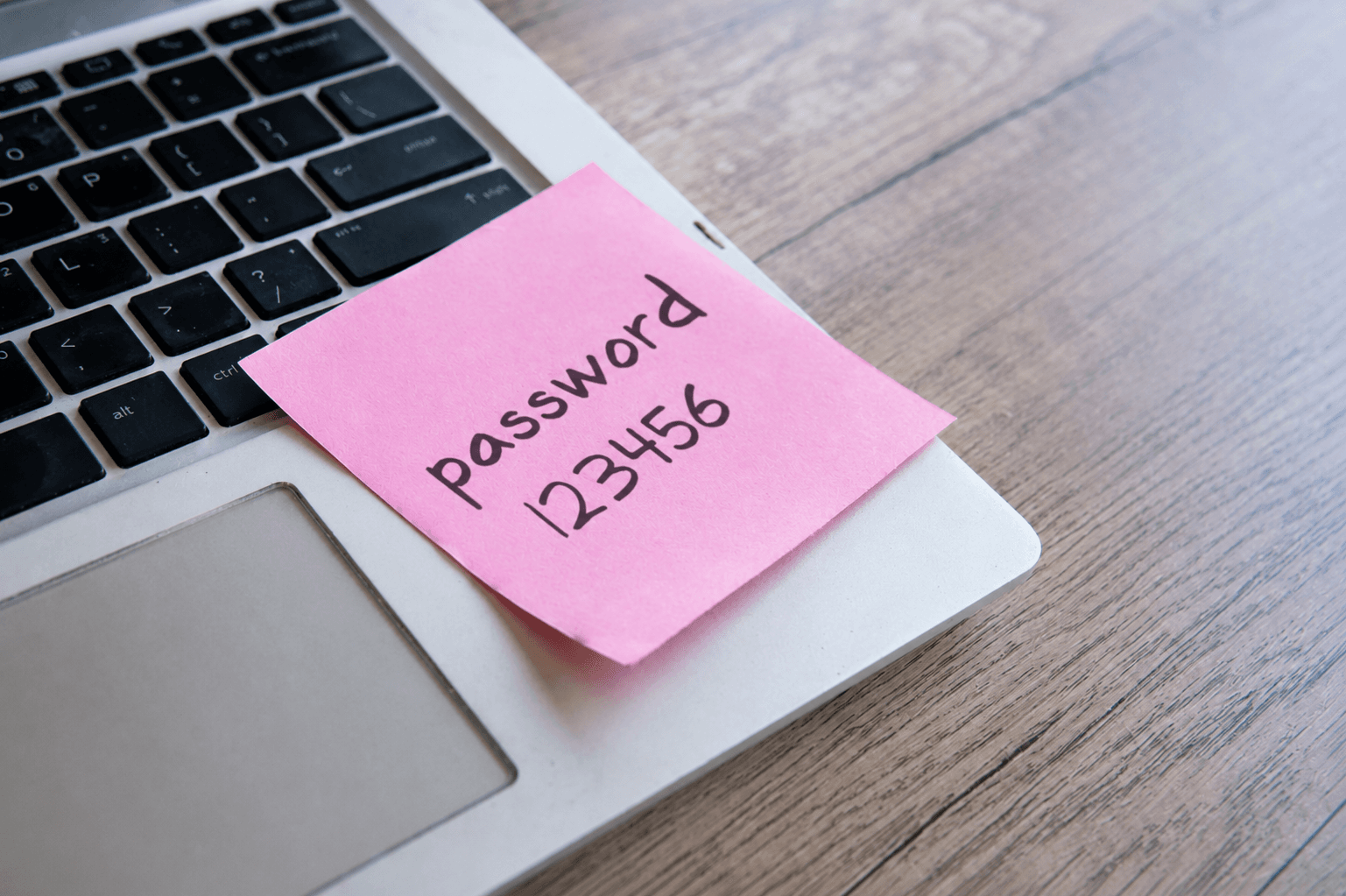
You have a sticky note on your monitor.
We need to talk.
The Greatest Hits of Bad Cyber Hygiene
We're not here to shame anyone. We're here to shame everyone equally, because the following crimes against IT are being committed right now, in companies with actual cybersecurity budgets.
The Sticky Note Collection. Passwords. On paper. Stuck to the monitor. Facing the webcam. During video calls. With clients.
The "I'll update it later" Update. That Windows security patch has been pending since March. It is now November. The little notification has been clicked away so many times it's stopped trying. Honestly, respect the commitment.
The Password That Is Just The Company Name. Followed by the year. Or an exclamation mark. Or both. Recruitment2024! is not a password. It is a polite suggestion.
Reusing the same password everywhere. Email, LinkedIn, the company Slack, that one forum you signed up for in 2011. One breach to rule them all.
"I'd know if I was hacked." Would you though? Would you though.
The Phishing Email That Should Not Have Worked
Every security team has a story. A phishing simulation so obvious it had typos, a fake sender domain with three extra letters, and a subject line that said "URGENT: Your salary has been doubled, click here."
Seventeen people clicked.
Seventeen.
One of them was in IT.
The email asked for a password in the reply. Not even a fake login page. Just: please type your password and send it back to us, a normal company.
This is not a criticism. This is a reminder that social engineering works because humans are busy, tired, and occasionally hopeful that their salary has indeed been doubled.
"We're Too Small to Be a Target"
This one is a classic. Usually said by someone whose company processes payment data, stores client contracts, and runs on three laptops and a prayer.
The cybersecurity myths list shows how easy it is to fall for false assumptions - whether it's believing that hackers only target big companies or thinking antivirus is enough, these myths put data, money, and reputations at risk.
Automated attacks don't read your LinkedIn to check your headcount before deciding whether to try your login portal. They just try. All of them. All the time.
The Antivirus That Was Last Updated in 2019
It's still running. It still says "Protected." It has not been touched since the previous IT person left and nobody knows the admin password.
It's basically a car alarm at this point - technically present, universally ignored.
What Actually Helps
Look, we're not monsters. Here's the short list:
- A password manager. One strong password to remember. Everything else is generated gibberish. Life-changing.
- Two-factor authentication. Yes, the SMS code is mildly annoying. A breach is considerably more annoying.
- Clicking nothing in a rush. Most phishing relies on urgency. "Act now." Take five seconds. Look at the sender address. Breathe.
- Actually installing updates. We know. We know. Just do it.
In Closing
Cybersecurity doesn't fail because the threats are too sophisticated.
It fails because someone, somewhere, has their email password written on a Post-it note that says "email password."
You know who you are.
Change it.
© 2026 Recruitment.bg — All rights reserved.